
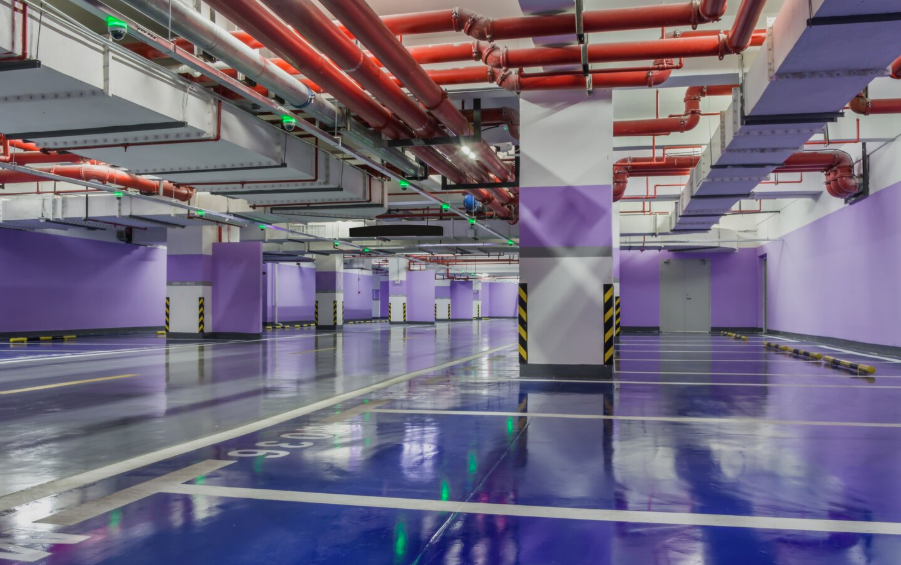
Warehouse floors face constant pressure from forklifts, pallet jacks, loaded carts, and other rolling equipment. Over time, this traffic can wear down bare concrete and create dust, cracks, and uneven areas. Warehouse epoxy flooring can help protect the surface and support daily operations. A well-planned floor system also improves cleaning and reduces surface damage. The right choice depends on traffic levels, loads, concrete condition, and the work performed inside the facility.
Understanding Daily Traffic Demands
Forklifts place repeated stress on the same travel paths every day. Wheels roll, turn, stop, and carry heavy loads across the concrete. This action can slowly wear down weak surfaces. Small defects may grow with continued use. Busy loading areas often face even greater pressure. Floor performance should match the actual work inside the building. Traffic patterns, vehicle weight, wheel type, and operating hours all affect the flooring system selected.
Heavy Loads Affect Floor Life
Weight alone is not the only concern in a warehouse. Moving loads can create pressure at specific points on the floor. Repeated movement may weaken damaged concrete and expose weak areas. Pallet movement can also cause surface wear. A durable resin system helps create a stronger working surface. Proper planning matters before installation begins. The flooring should support the expected loads while providing a surface suited to regular industrial use.
Surface Preparation Supports Adhesion
A strong floor begins with sound concrete and careful surface preparation. Dirt, old coatings, weak material, and damaged sections can affect adhesion. Grinding and other mechanical methods help prepare the slab for a new system. Repairs may also be needed before coating work starts. In facilities with food-related operations, commercial kitchen epoxy flooring may require similar attention to substrate condition, cleanliness, and moisture before installation can proceed.
Repeated Movement Causes Wear
Rolling traffic does not spread evenly across a warehouse floor. Main travel lanes often receive far more use than storage areas. Forklifts may also turn in the same locations many times each day. These movements can create abrasion and surface wear. A suitable flooring system helps protect high-use zones. The system should be selected for real operating conditions, not only for appearance. Durable performance begins with understanding how the facility actually works.
Moisture Can Create Problems
Concrete can hold moisture even when the surface looks dry. This condition may affect how some flooring systems bond to the slab. Moisture testing can help identify possible concerns before work begins. Existing cracks and weak sections should also receive attention. A proper review of the concrete helps prevent avoidable problems later. Warehouse managers benefit when flooring decisions consider the full condition of the substrate and not just visible surface damage.
Planning Around Daily Operations
Floor work can affect shipping, storage, equipment movement, and employee access. Careful planning helps reduce disruption during installation. Some areas may need to remain active while work takes place elsewhere. Project timing should consider shifts, delivery schedules, and operational needs. The chosen system should also match the required return to service time. Good planning keeps the project organised and helps facility teams prepare for changes before flooring work begins.
Reducing Dust and Surface Damage
Bare concrete can slowly break down under constant warehouse activity. Fine dust may appear as the surface wears, especially in busy travel lanes. This dust can spread through storage areas and settle on equipment or products. A protective flooring system helps seal the concrete and reduce surface wear. Regular inspections also help identify small problems early. Addressing weak areas before they grow can support cleaner and more reliable warehouse operations.
Safety Depends on Floor Condition
A damaged floor can affect more than appearance. Cracks, worn areas, and uneven surfaces may interfere with smooth equipment movement. Workers also need clear and stable paths throughout the facility. Maintaining a sound floor helps support safer daily operations. Surface condition should be reviewed in high-traffic zones where forklifts and pallet equipment operate often. Flooring choices should balance durability, traction, cleaning needs, and the specific demands of each workspace.
Choosing Systems for Long-Term Use
Flooring decisions should consider how the warehouse will operate over many years. Traffic may increase, equipment may change, and new storage demands may place added stress on the surface. A system suited to current and future needs can provide better value over time. Material selection should consider wear, moisture, impact, and maintenance needs. Careful planning helps facilities avoid frequent repairs and supports a dependable working surface.
Conclusion
Repeated forklift traffic and rolling loads can place serious demands on warehouse concrete. Surface wear often develops slowly, yet it can affect safety, cleaning, and daily movement over time. A suitable flooring system starts with a clear review of traffic, loads, concrete condition, and moisture. Proper preparation is equally important. highperformancesystems.com can help commercial and industrial facilities evaluate flooring needs and select solutions designed for demanding work environments.