
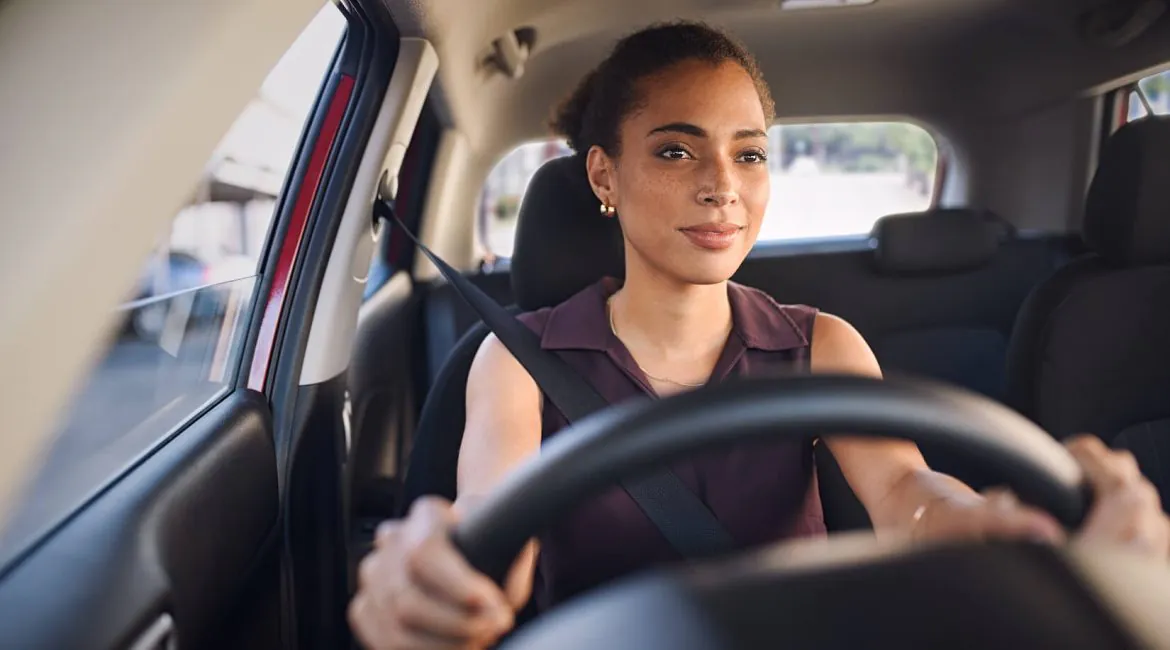
A traffic light changes sooner than expected. Someone is waiting to cross near the next intersection. A car ahead suddenly slows to enter a driveway. For an experienced driver, these are ordinary moments. For someone still learning, several small events happening together can make the road feel surprisingly busy.
New drivers sometimes assume they need quicker reactions. Usually, that is not the whole answer. Better decisions often come from noticing what is developing early enough to think about it. The aim is not to become fast at driving. It is to become less easily surprised.
Give Yourself One Less Thing to Think About
A learner who is still struggling with basic vehicle control has less attention available for everything else. If keeping the car centered in the lane requires constant thought, spotting a pedestrian near the next corner becomes harder.
That is why simple skills deserve repetition. Steering, controlled braking, mirror use and speed management may seem basic, but they create the foundation for more complicated decisions later. As those actions become familiar, the road can start feeling less crowded with information.
Look for the Next Decision Early
Imagine approaching an intersection where you intend to turn. Waiting until you reach it before thinking about your position, speed and surrounding traffic leaves very little room for adjustment.
Start sooner. Notice the intersection ahead. Check what traffic is doing and prepare for the turn before reaching it. This does not mean making a decision before you have enough information. It simply means being ready when the decision needs to be made.
Connect Driver Education With Real Situations
Road rules can feel straightforward while reading them at home. Applying those rules from the driver’s seat is different because real roads rarely present one issue at a time.
Someone completing drivers ed sugar land can benefit from thinking about how learned rules relate to everyday situations. Right-of-way, signs and safe road behavior become easier to remember when learners understand where those ideas appear during an actual drive.
Do Not Let Another Driver Decide for You
One of the strangest experiences for a beginner is feeling pressure from a vehicle behind. Perhaps you are waiting for a suitable opportunity to turn, and another driver seems impatient.
Do not borrow their judgment. They cannot see everything from your position, and they are not controlling your vehicle. Concentrate on what you can actually observe. Making a safe decision a few seconds later is better than moving simply because someone else wants you to hurry.
Make a Mistake Useful
Suppose you notice a stop later than you should and have to brake more firmly than expected. Once the situation is over, think about what happened before the braking.
Were you looking too close to the vehicle? Did something distract you? Was your approach speed higher than it needed to be? Finding the earlier cause gives you something useful to change. Simply telling yourself to “brake better” does not explain much.
Treat Test Preparation as Normal Driving
As a road test gets closer, learners can become obsessed with remembering every possible test detail. That pressure may make ordinary driving feel less natural.
Preparing for a dps road test texas should still involve building consistent everyday habits. Mirror checks, complete stops, appropriate speed, observation and controlled maneuvers should not suddenly appear only on test day. They are part of normal driving and become easier when practised that way.
Leave Space for a Second Choice
Good decisions are easier when you have options. Following too closely, approaching intersections too quickly or preparing late for a turn can remove those options.
Space gives you time to reconsider. You may decide not to turn because visibility has changed, or you may need to slow because traffic ahead has stopped. Having room to adjust is often more valuable than reacting quickly after that room has disappeared.
Conclusion
Decision-making behind the wheel develops quietly. A learner begins noticing a turn earlier, waiting instead of rushing, or understanding why a previous mistake happened. None of these changes look dramatic, yet together they make driving feel far more manageable.
There will always be situations that require judgment rather than a memorized response. Building that judgment takes repeated experience and thoughtful practice. Texas learners working toward greater independence on the road can use the education, training and testing resources available through myfirstdrive.net as they build those skills step by step.