
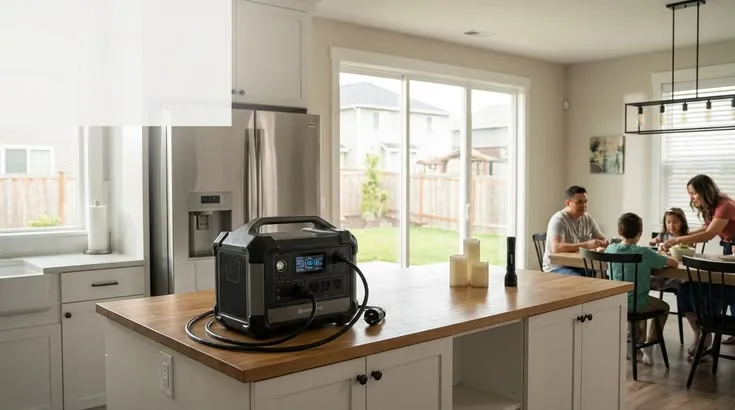
Choosing the correct generator capacity is one of the most important steps in planning household backup electricity. A generator that is too small may struggle with connected appliances, while unnecessarily oversized equipment can increase purchase costs and create additional fuel requirements. Understanding Generator sizing and power requirements helps homeowners estimate their essential electrical loads and compare suitable equipment. The process involves identifying appliances, distinguishing normal consumption from starting demand, and considering how several devices may operate together. Accurate planning should rely on equipment specifications rather than broad assumptions about typical household energy use.
Begin With Essential Household Loads
The first step is listing the appliances that must remain available during an outage. Common priorities include refrigeration, lighting, internet equipment, phone chargers, and selected heating-system components.
Not every appliance needs to operate simultaneously. For example, homeowners may decide to postpone laundry, electric cooking, or other high-demand activities until utility power returns.
Prioritising essential functions can significantly reduce the generator capacity required. It also helps avoid purchasing equipment based on the electrical needs of an entire home when only a few circuits are necessary.
Understand Running Watts
Running watts represent the approximate electrical power a device requires during normal operation. This figure may appear on an equipment label or in manufacturer documentation.
Appliance ratings can differ substantially even within the same product category. Two refrigerators of similar size may have different electrical requirements because of compressor design, efficiency, and operating features.
Whenever possible, use specifications for the actual equipment in your home. Generic online charts can offer initial guidance, but they are not a substitute for manufacturer data.
Starting Watts Can Change the Calculation
Some appliances require additional electricity for a short time when a motor or compressor starts. This temporary demand is often called starting watts or surge watts.
A generator must have sufficient capacity for the expected running load and applicable starting demands. If several motor-driven appliances start together, their requirements can create a greater challenge.
The exact calculation depends on the equipment and intended operating sequence. Homeowners should not assume that every motor will always start independently or that all surge ratings are directly interchangeable.
Create a Basic Appliance Worksheet
A simple worksheet can make the sizing process easier to understand. List essential equipment, normal power consumption, and any relevant starting requirements.
Useful entries include:
-
Refrigerator or freezer.
-
Essential lighting circuits.
-
Router and communication equipment.
-
Furnace blower or other heating components.
-
Sump pump, where installed.
-
Necessary medical equipment.
-
Selected small household appliances.
Add the expected running demand and account for starting loads according to equipment specifications. Keep a reasonable capacity margin where the manufacturer’s guidance recommends it.
Consider Different Operating Scenarios
A generator may not need to power every selected appliance at the same time. Staggering some loads can reduce peak demand, provided the household can do so safely and consistently.
For example, users may operate a refrigerator while delaying another high-demand device. However, equipment that starts automatically can complicate this approach.
A realistic plan must account for automatic cycling, essential continuous loads, and household members’ ability to manage electricity use. Critical medical equipment should not depend on uncertain manual load management.
Portable and Standby Systems Differ
Portable generators commonly support selected appliances or circuits, depending on the connection arrangement. Whole-home standby systems are designed for more permanent installations and may support broader household electrical loads.
However, standby generator size still depends on the property and selected loads. A large home with significant electric heating or cooling needs may require careful analysis.
Professional electrical assessments are particularly valuable when considering whole-house backup, automatic transfer equipment, or complex loads such as well pumps and central air-conditioning systems.
Battery Power Stations Need Two Calculations
When evaluating a portable battery station, homeowners must consider both output power and energy capacity.
Watts determine whether the inverter can operate connected equipment. Watt-hours help estimate how long the stored energy may last.
A power station with a large battery may still lack sufficient output to start an appliance. Conversely, a powerful inverter does not guarantee long runtime if the battery capacity is limited.
These two measurements should always be evaluated separately, including losses and manufacturer operating limits.
Never Ignore Electrical Connection Safety
Generator sizing is only useful when the selected equipment can be connected safely. Plugging a generator into a household wall outlet to energise home wiring is dangerous and must never be attempted.
A qualified electrician should determine suitable transfer equipment and installation requirements for household circuits. Portable combustion generators must operate outdoors, away from openings into buildings, because of carbon monoxide risks.
Electrical safety, grounding, and connection procedures should follow the generator manufacturer’s instructions and applicable codes.
Conclusion
Accurate generator sizing begins with a clear list of essential appliances and their electrical requirements. Running watts, starting demand, operating sequences, and realistic capacity margins all influence equipment selection. Generator Life offers educational information that helps homeowners understand backup power specifications and related equipment choices. Readers should verify appliance ratings and seek qualified electrical advice when planning connections to household circuits. Selecting the appropriate capacity can improve the usefulness of backup equipment while avoiding unnecessary expense and unsafe operating arrangements.