
Key Takeaways
-
Choose a heavy-duty pickup based on regular towing, hauling, passenger, and driving needs.
-
Compare towing capacity, payload, GVWR, and GCWR to ensure the truck can safely handle intended loads.
-
Select a gas or diesel engine based on towing frequency, mileage, performance needs, and maintenance costs.
-
Consider cab size, bed length, and drivetrain when evaluating passenger space, cargo capacity, and road conditions.
-
Test daily driving comfort, visibility, parking ability, and maneuverability before purchasing.
-
Check trailer equipment, safety features, tire ratings, and towing connections for a reliable setup.
-
Include fuel, insurance, registration, maintenance, tires, and financing in the long-term budget.
-
Review service records and arrange a professional inspection when considering a used heavy-duty pickup.
-
Prioritize practical capability over maximum advertised specifications or features you rarely need.
Buying a heavy-duty pickup is easier when the decision starts with the work the truck will actually do. Whether you are comparing new models or browsing a Ram 3500 for sale, focus on regular towing, cargo, passengers, and driving conditions rather than the biggest number in an advertisement. The right truck should handle its normal workload confidently while remaining practical to park, fuel, insure, and drive without a trailer attached. A carefully matched configuration can be more useful over time than a larger truck chosen for capability that is rarely needed.
Start With Real-World Needs
Begin by writing down the heaviest trailer you use most often, how frequently you tow, the people who ride with you, and the gear carried in the bed or cab. A homeowner who pulls a small utility trailer a few weekends each year has different needs from a contractor moving equipment every week. Also consider whether the truck will serve as a commuter vehicle, a family vehicle, or a job-site tool.
Understand Towing and Payload Ratings
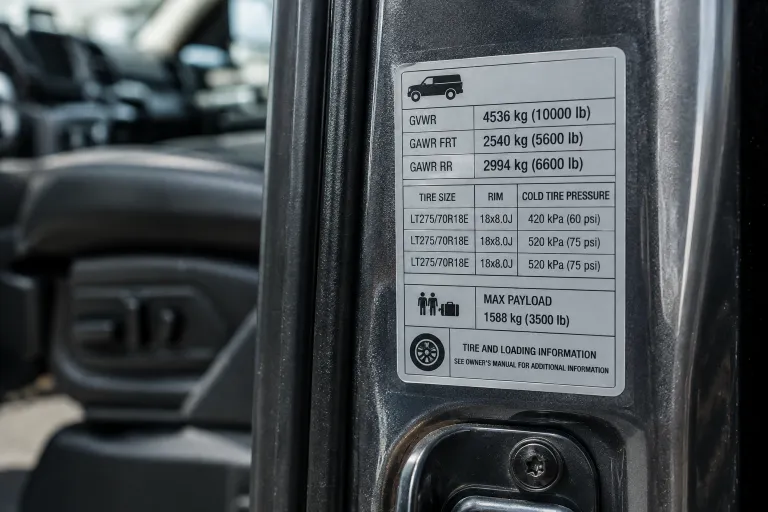
Towing capacity is the amount a truck is rated to pull, while payload is the weight it can carry in and on the truck. Payload includes passengers, cargo, accessories, hitch equipment, and the trailer weight transferred to the truck through the hitch. Gross Vehicle Weight Rating, or GVWR, is the truck’s maximum loaded weight. Gross Combined Weight Rating, or GCWR, covers the loaded truck and trailer together. Do not rely solely on a model’s headline tow rating. Cab size, bed length, drivetrain, axle ratio, tires, engine, and factory-installed equipment can change ratings. For a conventional trailer, estimate tongue weight. For a fifth-wheel or gooseneck trailer, estimate pin weight. Then add that figure to passengers, tools, fuel, and other cargo before comparing the total to the payload label on the exact truck. Before towing, confirm the hitch, axle, tire, and truck ratings all support the planned load. Proper inflation and load-rated tires matter as much as the truck’s tow rating, so review tire maintenance and safety guidance before long trips or heavy hauling.
Choose the Right Powertrain
Gasoline Engines
A gasoline engine can be a sensible choice for occasional towing, mixed commuting, and owners who prioritize a lower initial purchase cost. It may suit drivers who carry equipment or pull trailers regularly, but do not spend most of their time under heavy loads.
Diesel Engines
Diesel power can appeal to drivers who tow heavy trailers over long distances or often work in steep terrain. Diesel engines typically provide strong low-speed pulling power, but buyers should account for the added upfront cost and potentially higher maintenance or repair expenses. The best choice depends on workload, annual mileage, and ownership plans.
Compare Cab, Bed, and Drivetrain Options
Cab style affects passenger room and overall length. Regular cabs can maximize bed space in a shorter package, extended cabs can add storage or occasional rear seating, and crew cabs are usually the easiest choice for adults, children, pets, or a work crew. Bed length deserves equal attention. A shorter bed is generally easier to park, while a longer bed may better support lumber, tools, cargo organization, and certain trailer setups. Four-wheel drive can be valuable on snow, mud, loose job sites, steep driveways, and boat ramps, but it also adds weight and cost. Choose it when the traction benefit matches where the truck will operate.
Think About Daily Driving Comfort
Test the truck as it will be used most days. Check garage clearance, parking-lot maneuverability, turning radius, step-in height, empty-bed ride quality, and visibility around the hood and bed corners. Sit in every seat if passengers will be common, and inspect storage for tools, chargers, work gear, and personal items. Extra capacity is useful, but unnecessary size can make routine driving more difficult.
Check Safety and Trailer Equipment
A capable towing setup depends on the whole combination, not just engine output. Useful equipment can include an integrated trailer brake controller, trailer-aware blind-spot monitoring, camera views, strong towing mirrors, trailer tire-pressure monitoring, and trailer backup assistance. Verify which features are included on the actual vehicle instead of assuming every trim has them. Before each trip, inspect trailer lights, coupler or fifth-wheel connection, safety chains, breakaway cable, brake operation, tire pressure, cargo tie-downs, and mirrors. Secure cargo and distribute it appropriately for the trailer type.
Calculate Long-Term Ownership Costs
Look beyond the monthly payment. Budget for fuel, insurance, registration, scheduled service, tires, brakes, hitch equipment, financing, and likely resale value. Fuel use can vary significantly with load, terrain, speed, drivetrain, and trailer shape, so review available efficiency information for specific models before deciding.
Use a Practical Test-Drive Checklist
-
Adjust the seat, steering wheel, pedals, and mirrors.
-
Check forward, side, and rear visibility.
-
Drive through a tight parking area and make several turns.
-
Test camera views, towing controls, and rear-seat access.
-
Review the payload label and available towing guide for that truck.
-
Measure the garage, driveway, and regular parking spaces at home or work.
Common Questions
Does a higher towing rating always mean a better truck?
No. A higher rating can provide useful reserve capacity, but it may also mean greater size, weight, cost, and fuel consumption. The better choice is the truck that safely fits the loads you handle regularly.
Is payload more important than towing capacity?
Both matter. Towing capacity refers to what the truck can pull, while payload limits what the truck can carry, including people, cargo, and trailer weight on the hitch.
What should be checked on a used heavy-duty pickup?
Review service records, tires, brakes, suspension, hitch hardware, trailer wiring, warning lights, and signs of overloading or hard commercial use. A pre-purchase inspection by a qualified technician can help identify issues that may not be apparent during a short drive.
Conclusion
The smartest heavy-duty pickup choice comes from evaluating honest numbers, practical requirements, and realistic expectations rather than focusing solely on impressive specifications. Start by identifying the type of work the truck will handle, how frequently it will tow or carry heavy loads, and the distances it will regularly travel. Compare the exact vehicle’s payload capacity, towing limits, cab and bed configuration, drivetrain, engine performance, comfort features, and available safety equipment. It is equally important to consider fuel consumption, insurance, maintenance, tire replacement, and potential repair expenses when calculating long-term ownership costs. Buyers should also verify the manufacturer’s ratings and inspect the specific truck’s condition, rather than assuming every vehicle in the same model range offers identical capabilities. A pickup with the highest advertised towing capacity may not be the most suitable option if its payload, dimensions, or operating expenses do not fit everyday needs. By balancing capability, reliability, comfort, and affordability, buyers can choose a heavy-duty truck that performs well without paying for unnecessary features. Ultimately, a vehicle matched to its regular workload is more likely to deliver lasting value, dependable performance, and a comfortable daily driving experience.