Introduction
Managing employee payroll involves more than calculating wages and processing salaries. Australian employers must also meet reporting obligations set by the Australian Taxation Office (ATO). Single Touch Payroll Phase 2 (STP Phase 2) is an important part of these requirements. It expands the information employers report through their payroll software and helps simplify communication between government agencies.
Understanding how STP Phase 2 works can help businesses maintain accurate payroll records and meet their reporting responsibilities.
What Is Single Touch Payroll Phase 2?
Single Touch Payroll Phase 2 is an extension of Australia’s existing Single Touch Payroll reporting system. It requires employers to provide more detailed information about employee payments, employment conditions and taxation through STP-enabled payroll software.
The system allows the ATO to share relevant information with other government agencies, including Services Australia. This reduces the need for employers to submit certain details through separate reporting processes. STP Phase 2 became mandatory from 1 January 2022, with transitional arrangements provided for eligible employers.
Key Changes Introduced by STP Phase 2
STP Phase 2 introduced several changes to how businesses report employee information.
1. Disaggregation of Gross Payments
Employers must separate different components of employee earnings instead of reporting them as a single gross amount. These may include:
-
Ordinary wages and salaries.
-
Overtime payments.
-
Bonuses and commissions.
-
Paid leave.
-
Allowances.
-
Directors’ fees.
-
Salary sacrifice amounts.
This provides government agencies with a clearer understanding of employee income.
2. Additional Employment Information
Employers must report more details about employment arrangements. These include employment basis, income type, and relevant tax treatment information. This helps government agencies understand whether an employee works full-time, part-time, or casually and how their income should be classified.
3. Reporting Employment Terminations
When an employee leaves a business, employers must report the cessation date and reason through STP. This information helps government agencies update employment records and assess employee entitlements.
4. Improved Deduction Reporting
STP Phase 2 also supports more detailed reporting of certain deductions and garnishees, including applicable child support deductions.
How Does STP Phase 2 Affect Australian Employers?
The expanded reporting requirements mean businesses must maintain accurate employee records and payroll information. Employers need to ensure that employee details, payment categories, and tax information are correctly recorded before processing payroll. Incorrect classifications can lead to inaccurate reports and additional administrative work.
Businesses must also use STP Phase 2-enabled payroll software to submit the required information. Although the reporting details have expanded, the existing reporting process and payment obligations remain largely unchanged.
How Can Payroll Software Simplify STP Phase 2 Compliance?
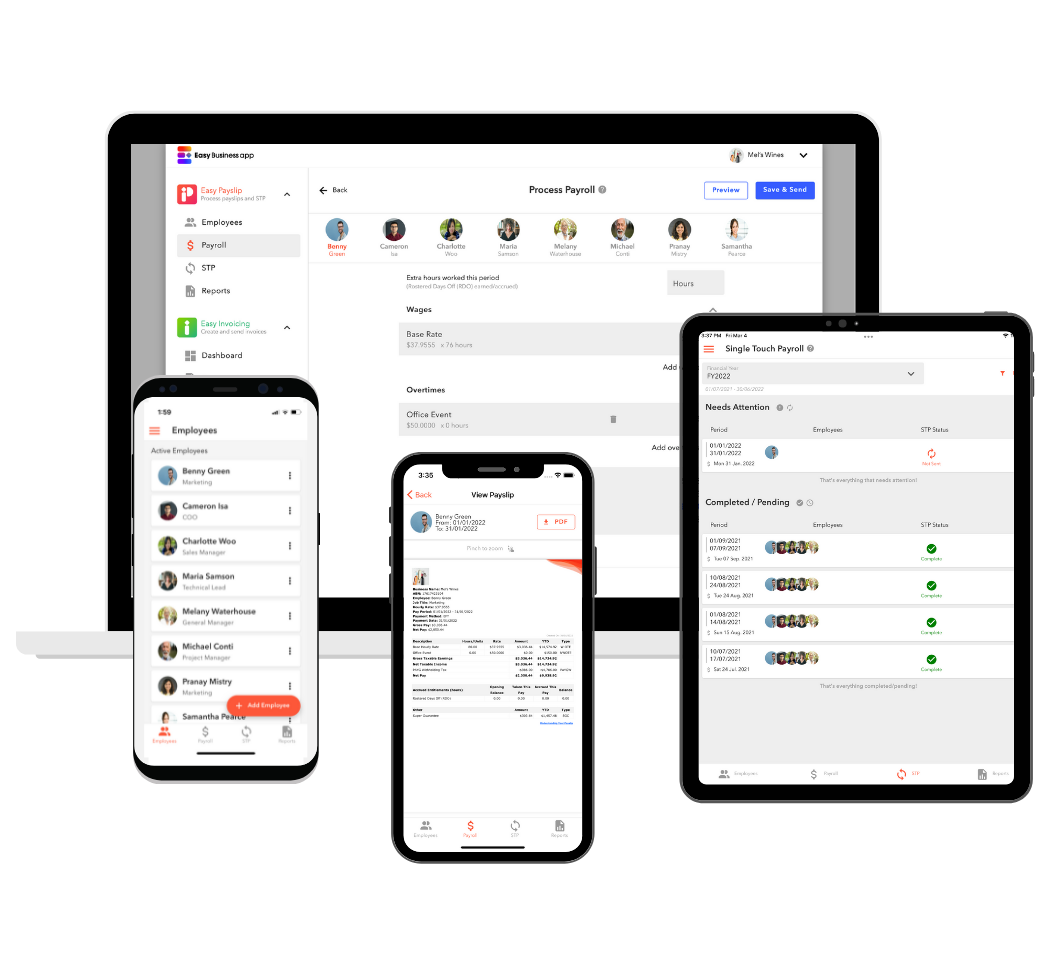
Managing detailed payroll information manually can increase the risk of errors. Modern payroll software helps businesses organize employee records, calculate wages, and prepare STP reports more efficiently.
Automated payroll tools can also reduce repetitive data entry, generate payslips and maintain accessible payroll records. Employers should ensure their software is updated and configured correctly for current ATO reporting requirements.
Conclusion
By maintaining accurate payroll records and using suitable accounting software, businesses can simplify payroll administration and meet their STP reporting obligations more effectively. Regularly reviewing payroll processes also helps employers stay prepared for changes in Australian employment and taxation requirements.