
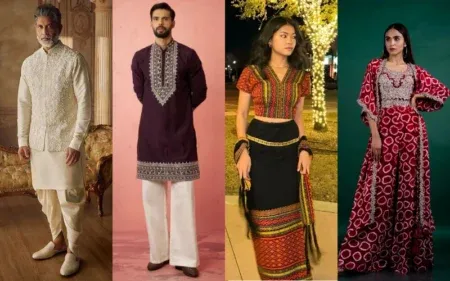
Indian festivals bring different traditions, celebrations, and clothing preferences throughout the year. abestoutfit.com offers useful inspiration for selecting outfits that balance traditional designs with modern dressing habits. People often choose clothing based on family customs, regional influences, weather, and the type of celebration they plan to attend.
There is no single outfit that works for every festival. Some celebrations involve religious visits and family gatherings, while others include music, dancing, parties, and larger social events. Each situation creates different clothing requirements, which makes festive wardrobe planning interesting.
Traditional fashion remains popular because many people enjoy wearing familiar garments during important occasions. At the same time, contemporary outfits have become common choices for younger shoppers. The combination of both styles creates plenty of possibilities without requiring complicated fashion rules.
Understanding Different Festival Styles
Every festival has its own atmosphere, and clothing choices often reflect that difference. Some celebrations are relatively simple, while others involve elaborate decorations and larger gatherings. Understanding the occasion helps people select suitable garments more confidently.
For smaller religious gatherings, comfortable traditional clothing usually works well. Cotton kurtas, simple sarees, salwar suits, and modest ethnic dresses are practical choices. These garments allow people to participate without worrying about complicated styling.
Larger celebrations may allow brighter colours and decorative designs. Embroidered suits, festive lehengas, silk sarees, and traditional jackets can create a more formal appearance. However, the garment should still feel manageable throughout the event.
People should also consider whether the celebration happens indoors or outdoors. Outdoor gatherings may require breathable fabrics and suitable footwear. Indoor functions can provide more flexibility with heavier fabrics and layered clothing.
Diwali Outfit Ideas To Explore
Diwali is commonly associated with family visits, decorations, celebrations, and special meals. Clothing choices often include bright colours, traditional silhouettes, and decorative details. Many people prefer outfits that look festive without becoming difficult to manage.
Women can explore embroidered suits, silk sarees, lehengas, and contemporary ethnic dresses. A simple outfit with decorative earrings can also create a suitable festive appearance. The final choice should reflect personal comfort and the family’s celebration plans.
Men can consider kurta sets, Nehru jackets, and traditional waistcoats. Cream, maroon, navy, mustard, and green can provide attractive colour options. A comfortable pair of traditional shoes can complete the combination.
Diwali clothing should also allow easy movement because family celebrations sometimes continue for several hours. Lightweight garments can be particularly useful when visiting relatives and participating in different activities. Heavy decorative pieces are not compulsory for every celebration.
Holi Clothing Needs Different Planning
Holi celebrations usually involve considerable movement and outdoor activities. Clothing requirements therefore differ from those associated with formal evening festivals. People should consider practical fabrics, garment colours, and easy cleaning before selecting outfits.
Older cotton garments can be useful for informal outdoor celebrations. Comfortable kurtas, simple trousers, and easy-to-wash clothing provide practical choices. Expensive delicate fabrics are generally better reserved for occasions where they remain protected.
White clothing is sometimes selected because colours become visible against lighter backgrounds. However, people should remember that stains may remain difficult to remove. Choosing garments that can handle regular washing makes preparation easier.
Footwear should provide stability during outdoor activities. Slippers or comfortable sandals may work better than delicate footwear in suitable settings. Personal safety and comfortable movement should remain priorities throughout the celebration.
Navratri Fashion And Colours
Navratri celebrations often include traditional clothing, music, dancing, and colourful gatherings. Many participants enjoy wearing chaniya cholis, lehengas, kurtas, and coordinated ethnic combinations. Clothing choices may also reflect regional traditions and individual preferences.
Chaniya cholis provide a familiar option for people attending traditional dance events. Different skirt lengths, blouse designs, and decorative patterns offer plenty of variety. Choosing a manageable skirt weight helps during extended dancing sessions.
Men can explore kediyu-style garments, colourful kurtas, and traditional jackets. Comfortable trousers and suitable footwear support easier movement. Colour coordination can create an attractive appearance without requiring identical clothing designs.
Some celebrations follow particular colour traditions on different days. People who enjoy participating can choose suitable shades while keeping their existing wardrobe in mind. Purchasing a completely new outfit daily is rarely necessary.
Eid Clothing And Styling Choices
Eid celebrations often involve family gatherings, prayers, visiting relatives, and special meals. Traditional clothing remains a common choice for these occasions. Comfortable garments with suitable fitting can work well throughout the day.
Women may choose salwar suits, sharara sets, abayas, long dresses, or elegant sarees. Decorative details can include embroidery, lace, subtle patterns, and carefully selected accessories. The amount of decoration depends on personal preference and the event.
Men often choose kurta pyjamas, pathani suits, or traditional waistcoat combinations. Light colours and breathable materials can be useful during warmer weather. Proper fitting around the shoulders and sleeves improves overall comfort.
Footwear should match both the outfit and planned activities. Comfortable sandals and traditional shoes can work for family visits. Carrying a suitable bag also makes it easier to manage personal belongings.
Wedding Season Festive Dressing
Wedding celebrations provide opportunities to explore more elaborate festive clothing. Different ceremonies may require different levels of formality and decoration. Guests should understand the function before selecting their outfits.
Engagement functions often allow attractive dresses, embroidered suits, and lighter lehengas. Wedding ceremonies may involve more traditional garments, depending on family customs. Reception outfits can include gowns, sarees, sherwanis, and tailored ethnic combinations.
People should avoid choosing clothing based only on photographs from fashion websites. The actual comfort of the garment matters considerably during extended events. Trying outfits before purchasing helps identify fitting and movement problems.
Colour choices can also depend on the celebration’s arrangements. Some families share suggested clothing colours for specific functions. Following those preferences can make outfit selection easier without limiting personal styling completely.
Fabric Choices For Indian Weather
India experiences different weather conditions across regions and seasons. Festive clothing should therefore reflect the actual climate rather than following one general fashion preference. A suitable fabric can make long celebrations considerably more comfortable.
Cotton and lightweight blends are useful during hot weather. They allow relatively comfortable movement and are available across several traditional garment styles. Linen blends can also work for people who prefer relaxed clothing.
Silk, velvet, and heavier brocade are often considered for cooler celebrations. Their textures can create a richer appearance during formal occasions. However, checking garment weight and lining remains important before purchasing.
Georgette, chiffon, and crepe provide additional choices for flowing outfits. These fabrics are frequently used for dresses, sarees, and decorative garments. Their comfort depends on fabric construction and the quality of the lining.
Modern Clothing For Traditional Events
Not everyone prefers wearing completely traditional clothing during festivals. Contemporary designs offer alternatives for people who enjoy western fashion. These combinations can work when they suit the celebration’s atmosphere.
A long ethnic jacket paired with straight trousers provides one modern option. Another possibility involves wearing an embroidered top with tailored pants. These outfits can look festive without using a complete traditional set.
Women can also consider jumpsuits with decorative details. Subtle embroidery, suitable necklines, and comfortable fabrics can create an interesting appearance. The footwear should complement the outfit’s overall shape.
Men can explore ethnic shirts, structured jackets, and modern kurta combinations. Choosing complementary colours keeps the outfit organised. Excessive decorative details are unnecessary when the clothing already has an interesting design.
Choosing Accessories For Festivals
Accessories should support the clothing rather than distract from it. A carefully selected pair of earrings or a simple watch can improve an outfit. There is no requirement to use several decorative elements together.
Traditional jewellery can complement sarees, lehengas, and embroidered suits. However, the neckline and sleeve design should influence accessory selection. Large necklaces may not be necessary when clothing already contains detailed embroidery.
Hair accessories can also become useful for festive styling. Decorative clips, simple pins, and traditional hair ornaments provide different options. Their suitability depends on hairstyle, outfit design, and personal preference.
Men can consider watches, pocket squares, and traditional footwear. A simple accessory often works better than several competing details. The overall combination should remain comfortable and appropriate.
Festive Shopping Without Overspending
Shopping during festival seasons can become expensive when people purchase everything together. Planning a few weeks earlier allows more time for comparison and thoughtful decisions. It also makes alterations easier before the celebration begins.
Start by checking garments already available at home. Some clothing pieces may work with different accessories or additional layers. Reusing suitable garments can create new combinations without requiring another purchase.
Set a realistic clothing budget before visiting stores. Keep some money available for footwear, accessories, and possible alterations. This approach helps prevent unexpected spending.
Online stores provide many festive options, but product descriptions deserve careful attention. Check measurements, fabric details, washing instructions, and return policies. Customer photographs can sometimes help people understand how the clothing looks outside professional product photography.
Comfort During Long Celebrations
Festivals can involve travelling, sitting, standing, dancing, and visiting several places. Clothing should support these activities without creating unnecessary restrictions. A comfortable outfit helps people enjoy the celebration more naturally.
Avoid garments that require constant adjustment throughout the day. Tight sleeves, uncomfortable necklines, and difficult fastenings can become irritating. Testing these details before purchasing makes a difference.
Footwear should also receive attention because uncomfortable shoes affect movement quickly. Choose a suitable heel height and secure fitting for the planned activities. People attending outdoor events should consider the walking surface as well.
Breathable fabrics and manageable garment lengths are particularly useful during busy celebrations. Carrying a lightweight additional layer may help when temperatures change. These practical decisions often matter more than decorative details.
Preparing Outfits Before Festival Days
Last-minute preparation can create unnecessary problems during busy festive periods. Clothing may need ironing, minor stitching, cleaning, or accessory matching. Preparing everything earlier provides more time for checking these details.
Keep complete outfits together whenever possible. Store matching accessories and footwear nearby for easier preparation. This approach reduces the time spent searching for individual pieces.
Check garment condition before the celebration arrives. Look for loose threads, missing buttons, damaged zippers, and stains. Small repairs become easier when enough preparation time remains.
Traditional clothing should also receive appropriate storage after wearing. Delicate fabrics may require careful folding or protective garment covers. Proper care helps maintain clothing quality across multiple festive seasons.
Conclusion
Festive dressing becomes more enjoyable when people understand their clothing requirements and personal preferences. Different Indian festivals provide different opportunities for traditional and contemporary fashion combinations. Choosing suitable fabrics, comfortable footwear, and balanced accessories helps create practical outfits.
There is no need to purchase expensive clothing for every celebration. Existing wardrobe pieces can become useful through thoughtful combinations and small styling changes. Planning ahead also makes shopping and preparation considerably easier.
Explore more festive styling inspiration and practical clothing ideas. Choose outfits that respect your preferences while making celebrations comfortable and memorable.
Read also :-