
Key Takeaways
- Regular purging is critical for ensuring equipment cleanliness and maintaining high product standards.
- Proper method and compound selection can significantly speed up changeovers and reduce operational waste.
- Adopting industry best practices minimizes downtime and extends the lifespan of machinery.
Clean and efficient plastics processing is the foundation for producing high-quality components while reducing costly machine downtime and extending equipment longevity. For plastics manufacturers, regular purging is an essential operation, not just for keeping machinery in premium condition, but also for maintaining streamlined workflow and delivering defect-free parts. Employing proven techniques, such as appropriate compound selection and adherence to detailed purging routines, ensures processors minimize contamination risks and maintain consistent production quality. For those seeking the right solutions in their region, plastic processor products Noblesville, IN are an excellent resource for targeted purging materials and technical support.
Successful purging is not solely about cleanliness; it directly improves operational efficiency and reduces waste, two top priorities in today’s competitive manufacturing environment. With newer grades of plastics and sophisticated additives, contamination can quickly compromise part integrity, making standardized purging ever more important. Implementing a robust purging protocol also helps avoid equipment failures triggered by material buildup.
Understanding the Importance of Purging
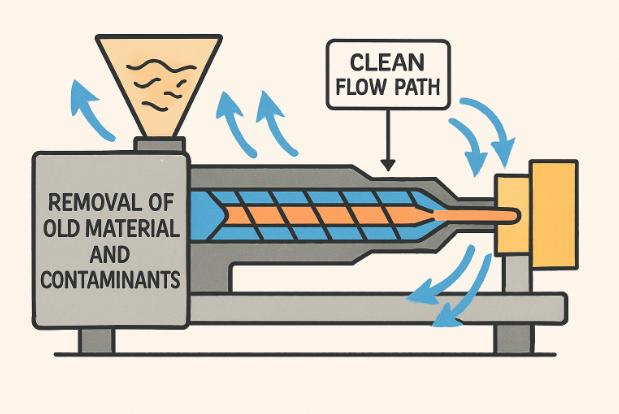
Purging is the thorough cleaning of the internal surfaces of plastics processing equipment, such as injection molders, extruders, and blow molders, to remove old material, residual additives, and contaminants. Without regular, effective purging, residues can lead to numerous problems: black specks, color streaks, and even chemical degradation are all signs of inadequate cleaning. Over time, these contaminants may cause batch-to-batch inconsistencies, ultimately resulting in rejected products or unplanned shutdowns.
In highly regulated sectors such as automotive, medical devices, and consumer products, consistent use of advanced purging procedures helps ensure compliance with stringent industry standards while keeping production lines running smoothly.
Choosing the Right Purging Method
The ideal purging method is determined by your production needs, materials processed, and the type of contaminants present. There are two primary categories:
- Mechanical Purging: Uses specially formulated purging compounds that mechanically scrub and dislodge residues from the screw, barrel, hot runners, and dies. Mechanical methods are often the go-to solution for quick resin or color changes and for everyday cleaning between short runs.
- Chemical Purging: Involves compounds that initiate reactions to break down persistent polymers, carbon buildup, and additive residue, reaching into inaccessible crevices. Chemical purges are particularly useful during tough changeovers, when carbonization or stubborn black specks are a recurring issue.
To optimize cleaning results, carefully consider the resin type, process temperature, and complexity of your molding or extrusion system before making a selection.
Implementing Effective Purging Practices
Effective purging is not a one-size-fits-all solution. Top processors rely on the following best practices for the best results:
- Routine Maintenance: Establish a purging schedule that reflects production frequency, machinery complexity, and types of material changeovers. This routine minimizes the risk of expensive emergency cleanings.
- Right Compound Choice: Not all purging agents are suitable for every resin or machine type. Always refer to manufacturer recommendations and compatibility charts to ensure the selected compound is effective and safe for your equipment.
- Correct Purging Conditions: Set system parameters according to compound guidelines, including temperature, screw speed, and pressure. Running purges outside the recommended window may reduce cleaning efficiency and lead to incomplete removal of contaminants.
- Staff Training: Well-trained operators are critical to the success of any purging protocol. Invest in regular education that covers both the why and how of proper purging practices, troubleshooting, and safety procedures.
Further strategies for advanced purging can be explored in technical literature, such as this article from Plastics Technology, a recognized industry publication.
Benefits of Effective Purging
Adhering to best-in-class purging standards produces a myriad of advantages for plastics manufacturers:
- Reduced Downtime and Faster Changeovers: Effective purging methods can significantly shorten changeover times, enabling quicker shifts between runs and reducing non-productive time on the floor.
- Superior Product Quality: Diligently maintained equipment produces parts that meet and often surpass quality benchmarks, with minimal defects or color variations.
- Prolonged Equipment Life: Clean machinery wears less, significantly lowering repair and replacement costs over time by preventing abrasive material buildup.
Common Challenges and Solutions
Even the most attentive processors encounter obstacles. The most prevalent challenges include persistent contamination, the upfront investment in quality compounds, and ensuring compatibility with increasingly diverse machine designs. Solutions include:
- Source Identification: Use inspection logs to systematically identify contamination origins and develop targeted solutions, such as isolated purges or specialized compounds.
- Cost Optimization: Analyze total cost of ownership, weighing downtime, material loss, and equipment longevity against the cost of purging products to provide a clearer justification for premium solutions.
- Machine Compatibility: Consult equipment and compound manufacturers for case studies and technical support to ensure your purging protocol is optimized for all machine and resin types in use.
For insights into cost comparisons and operational strategies, industry experts such as Plastics News regularly publish helpful articles and case studies.
Conclusion
Establishing and adhering to industry best practices for purging plastics processing equipment remains one of the most impactful steps processors can take toward improved product quality, operational efficiency, and lower overall manufacturing costs. With the right combination of schedule discipline, compound selection, and workforce training, organizations can safeguard their capital equipment investment and lead with confidence in quality and innovation.