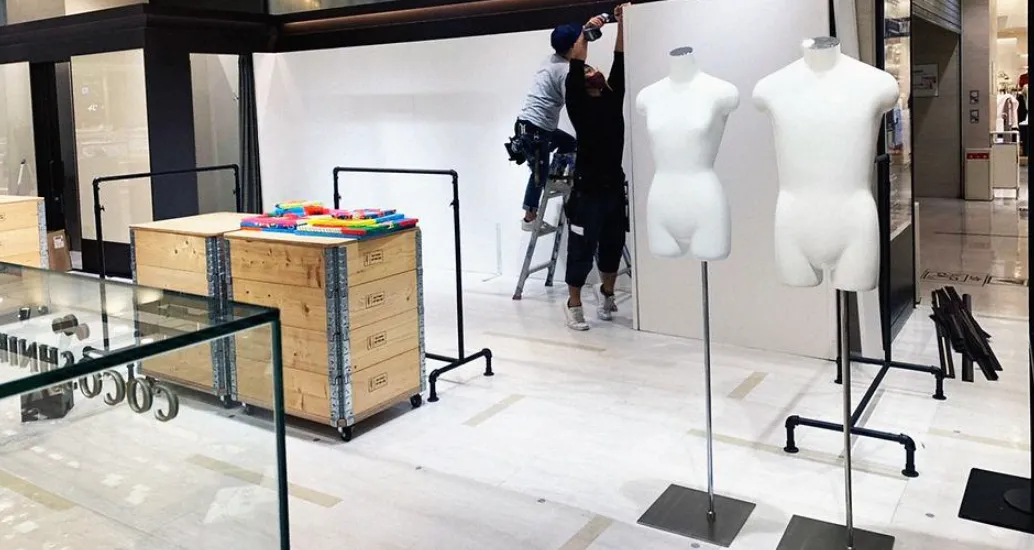
Temporary brand activations offer retailers opportunities to introduce products, engage customers, and test new concepts without committing to permanent installations. However, operating within an active shopping environment introduces challenges involving space, delivery access, and customer movement. Professional pop-up setup and teardown services can help coordinate these activities around store schedules and venue restrictions. Successful activations require more than attractive displays. Retailers must consider how equipment enters the property, where installation takes place, and how everything will be removed without interrupting normal business operations.
Understand the Operational Environment First
An active retail environment presents different logistical conditions from an empty exhibition hall. Customers may continue shopping while employees receive merchandise, replenish shelves, and maintain store presentation. Introducing promotional equipment into this setting requires careful coordination with daily activities. Event planners should examine available floor space, pedestrian routes, receiving arrangements, and existing store responsibilities. These details help determine whether installation can occur during operating hours or requires a separate access window. Early assessment reduces avoidable interference with regular business activities and customer experiences.
Schedule Deliveries Around Customer Activity
Delivery timing can influence how smoothly a temporary activation begins. Busy shopping periods may leave little room for transporting display panels, product samples, lighting equipment, or promotional fixtures through customer areas. Retailers should coordinate delivery appointments with property managers and receiving teams before confirming transportation arrangements. Loading restrictions and vehicle access requirements may differ between shopping centers and standalone stores. Scheduling movements during approved quieter periods can reduce congestion, although local operating rules and staffing availability ultimately determine which delivery windows are practical.
Design Installations for Limited Floor Space
Temporary promotional spaces often have tighter physical restrictions than permanent retail interiors. Display structures must fit their allocated areas without blocking emergency exits, accessible routes, or neighboring businesses. Installation plans should identify component dimensions, electrical requirements, and any permissions needed for temporary fixtures. Modular display designs may simplify adjustments when layouts change, but stability and safety remain essential. Retailers should verify measurements before shipping equipment, particularly when campaigns visit several venues with different configurations. Proper preparation helps crews assemble installations efficiently without making unsuitable modifications on site.
Coordinate Campaigns Across Multiple Locations
Brands operating several stores may want consistent promotional experiences even when venues have different opening hours and installation requirements. A coordinated strategy for retail rollouts can support shared campaign standards while allowing practical adjustments for individual locations. Centralized instructions, approved layouts, and clear responsibilities help regional teams work toward common objectives. However, each site still needs confirmation of access arrangements and available space. Maintaining communication between campaign planners and local store contacts can prevent avoidable misunderstandings during simultaneous or closely scheduled installations.
Keep Promotional Materials Organized Onsite
Temporary events frequently involve numerous smaller components that are easy to misplace during busy installation periods. Product stands, cables, branded panels, fasteners, and packaging materials should have clearly identified storage or staging areas. A component checklist helps crews confirm that necessary items are available before assembly begins. Retailers should also agree on how unused materials and empty containers will be managed during the activation. Organized staging limits unnecessary handling, keeps operational areas clearer, and makes the eventual removal process easier to coordinate without interrupting store employees.
Prepare Teardown Procedures Before Opening
The end of a promotional campaign should never be treated as an unexpected logistical task. Venue agreements may specify strict removal deadlines, approved collection periods, and requirements for restoring occupied spaces. Event teams should identify which equipment must be dismantled, which materials can be reused, and where everything will go afterward. Protective packaging and transportation arrangements should be confirmed before the activation begins. A documented removal sequence helps crews avoid confusion, manage equipment carefully, and return the occupied area to its agreed condition.
Evaluate Operational Results After Each Activation
Campaign performance is often measured through customer engagement and sales, but operational results also deserve attention. Retailers can review delivery punctuality, installation difficulties, equipment damage, labor requirements, and compliance with venue schedules. Feedback from store managers may reveal problems that were not visible to central campaign teams. Recording these findings creates useful reference material for future events. Repeated activations become easier to manage when organizations understand which arrangements worked, where delays occurred, and how logistical improvements could reduce disruption during upcoming promotional activities.
Conclusion
Temporary retail activations require careful planning to balance promotional objectives with the practical demands of operating stores. Delivery coordination, safe installation, organized materials, and timely removal all influence whether an event runs smoothly. Businesses planning short-term campaigns across one or several locations can explore the retail and event logistics capabilities described at omnifreightsolutions.com. Discussing venue requirements, equipment needs, and scheduling expectations early allows teams to establish realistic plans that support brand experiences while respecting everyday retail operations and customer access.